Gemini Park transforms retail space into a social space
Share
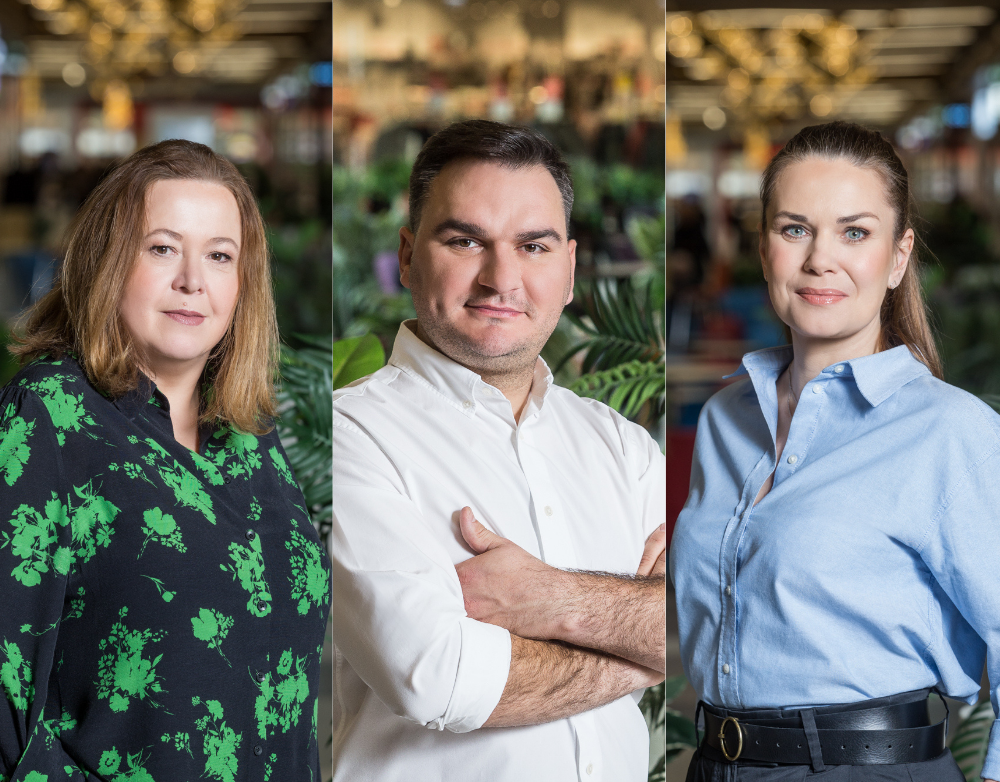
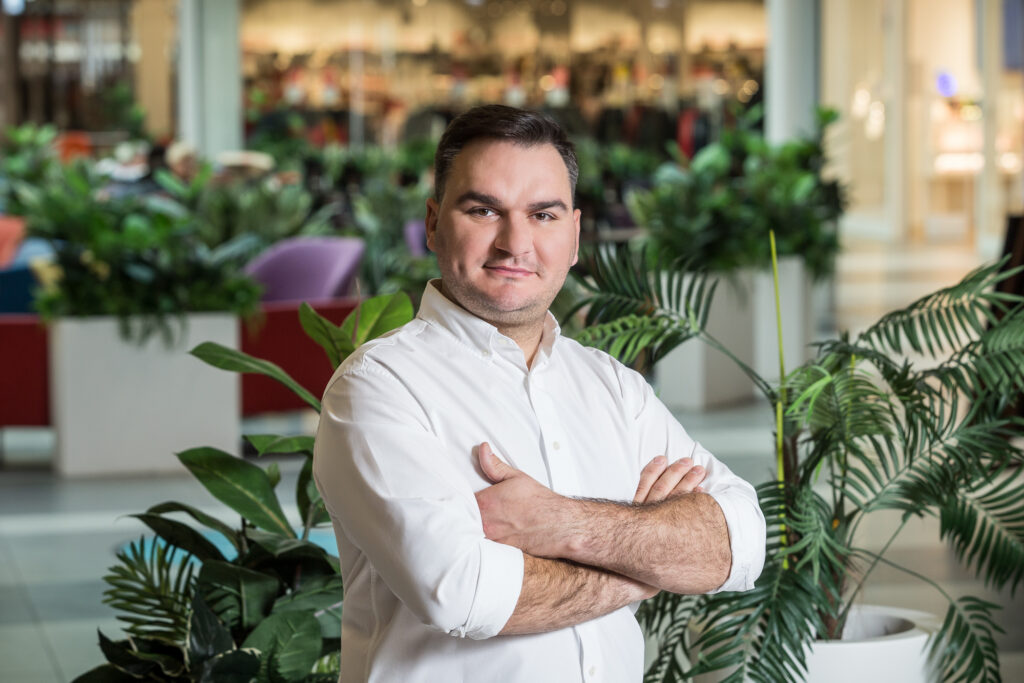
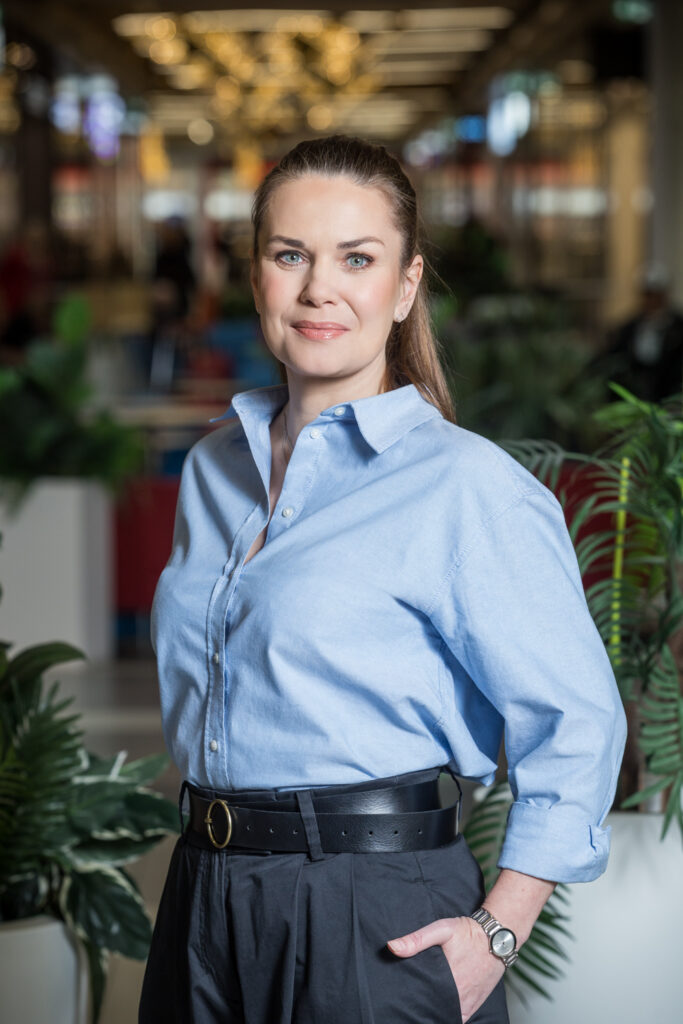
For Gemini Park, culture, education, and entertainment aren’t just a sideline, but a permanent element of the strategy and one of the center’s key differentiators. Aleksandra Zawodzińska, Marketing Director of Gemini Park Tychy, Marcin Ochmański, Marketing Director of Gemini Park Bielsko-Biała, and Joanna Rzepecka-Zienko, Marketing Director of Gemini Park Tarnów, discuss how they put this philosophy into practice. Their approach transforms the shopping mall into a modern agora—a space for experiences, encounters, and local social life. Through close collaboration with cultural and scientific institutions and social organizations, Gemini Park centers contribute to the rhythm of the cities in which they operate.
Share
How do you define the role of entertainment, culture, and education in the marketing strategy of Gemini Park Shopping Centers today?
Aleksandra Zawodzińska, Marketing Director, Gemini Park Tychy: Today, entertainment, culture, and education are no longer an add-on to a shopping center’s offerings, but a permanent element of the marketing strategy and one of the key distinguishing features of facilities like Gemini Park. Contemporary shopping centers are increasingly transforming their role – from purely shopping destinations, they are transforming into spaces for experiences, meetings, and leisure activities. In this sense, they are becoming a kind of modern agora – a place where commercial, social, cultural, and educational functions intertwine. From a marketing perspective, we see such activities as not only an attractive complement to the offerings but also an important element of the center’s mission. We want Gemini Park to be a vibrant place, open to residents, and actively contributing to local social and cultural life. Therefore, in our activities, we prioritize projects that engage the community and offer valuable experiences – from educational events and workshops, through social initiatives, to cultural projects implemented in collaboration with local institutions.
How do you understand “edutainment” in the context of a shopping center? Where is the line between attractive form and real educational value?
Marcin Ochmański, Marketing Director, Gemini Park Bielsko-Biała: For years, we have consistently implemented a family shopping center strategy based on combining attractive, interactive entertainment with real educational value. In our understanding, “edutainment” is about disseminating knowledge through engaging experiences and inspiring people to explore the world. However, it is crucial that the attractive setting is supported by real substantive content. That’s why we place great importance on collaboration with institutional partners and experts in our projects. As a marketing team, we are highly skilled at creating effective, engaging event environments – we can create attractive presentations, take care of the scenography, communication, and visitor experience. Furthermore, the educational value is guaranteed by our partners, who contribute knowledge, a substantive program, and expert support. It’s this synergy that ensures our events are of high quality and deliver genuine value to participants. This approach is characteristic of all Gemini Park centers.
To what extent is the education and entertainment strategy centrally developed by Gemini Holding, and to what extent is it driven by the autonomy and specificity of local markets?
Joanna Rzepecka-Zienko, Marketing Director, Gemini Park Tarnów: Gemini Holding has a general center development strategy that sets certain key directions – including following market trends, building customer experiences, and developing cultural, educational, and entertainment offerings. At the same time, a crucial element of this strategy is firmly anchoring each center in its local context. A shopping center is not a separate space from its surroundings – it grows in a specific city, amidst its institutions, traditions, and communities, and therefore must be part of the local ecosystem. For this reason, each Gemini Park center develops its own educational and entertainment strategy, tailored to the region. As marketing directors, we have significant autonomy in this area and real influence on the projects developed in our facilities. This also stems from the fact that we have strong ties to the cities in which we operate – we know the local community and have been collaborating with cultural institutions, municipal organizations, and artistic communities for years. These relationships are often built over years, including on a personal level, allowing us to create original projects that truly meet the needs of residents.
How, in your opinion, have visitor expectations changed in recent years? Do you see a clear shift from a purely retail function towards a “third place”?
Marcin Ochmański, Marketing Director, Gemini Park Bielsko-Biała: Definitely. We started noticing this several years ago, especially during the pandemic, when we analyzed changing social needs. We saw that after a period of isolation, people would want to return to meetings, shared activities, workshops, and events that allow them to spend time together.
The response to these needs included, among other things, the creation of a new social networking site. The “Science Point” project, which we have already implemented three times at Gemini Park Bielsko-Biała, in collaboration with the University of Bielsko-Biała, the Bielsko-Biała City Hall, and with financial support from the Ministry of Science and Higher Education, has been created in the shopping center. A true science center has been created, featuring interactive exhibitions, educational escape rooms, and science workshops designed for children, young people, and entire families. We held the first edition of the event in 2022, but we began conceptual work on the project and the process of applying for ministerial grants even during the pandemic.
I don’t want to say we were ahead of the curve, but we certainly tried to closely monitor the changing trends in visitor expectations and how shopping centers can respond to them. That’s why we’ve been developing leisure infrastructure in and around the center for over a decade. We have a unique, regionally unique “Park W DECHE!” – a space for family entertainment and outdoor education spanning nearly 10,000 square meters. sq m, which is visited by nearly 150,000 customers during the summer season. Furthermore, a cinema, playrooms and zones, a strong food and beverage offering, regularly organized events, and educational and entertainment projects combine to create a much broader, more comprehensive offering for today’s visitors. The scale of this change is also clearly visible in market data. For many months, categories related to services and leisure activities have led the growth in sales in shopping centers. According to PRCH data, entertainment industry turnover increased by 5.3% throughout 2025. At Gemini Park Bielsko-Biała, this figure is even higher – in the case of entertainment, the increase in turnover per sq m was almost 19% year-on-year.
You mentioned that the activities of Gemini Park centers are strongly based on collaboration with local partners. How does the unique character of cities influence the selection of topics and event formats? Can you provide examples of projects “tailored” to the local community?
Aleksandra Zawodzińska: Collaboration with local partners is the absolute foundation of our work – we often operate within the so-called “golden triangle” model, connecting businesses, local government, and the scientific and artistic communities. This allows us to create projects that are not only attractive but, above all, authentic, well-grounded in the local context. One of our flagship “tailored” projects is “Window to Culture,” which we implement in partnership with the Municipal Cultural Center. This initiative was launched during the pandemic, when cultural institutions were closed and residents had very limited access to artistic events. We opened the gallery space to local artists, creating a place where art could be experienced in a very accessible way. The project was met with enormous interest and today is one of the most recognizable art showcases in Tychy. It also hosts concerts and performances, such as Kamilla Baar’s regionally renowned performance. We are also involved in a number of initiatives important to the local community – we collaborate with the City Hall, implement projects with the University of Development, support the Tychy Independent Theatre Festival Andromedon, and the Tychy Half Marathon in conjunction with the Association for the Promotion of Athletics.
We also respond to ongoing social needs, as exemplified by the “I’m OK” Mental Health Week, a broad campaign full of activities and workshops dedicated to health, organized jointly with the City Hall and the Municipal Cultural Centre to mark World Mental Health Day. Tychy is also strongly connected to the automotive industry and the history of the Fiat 126p, hence our exhibition “Fiat 126p – Legend of the Roads,” prepared in collaboration with the Tychy City Museum and the 126Evolution group operating under the auspices of the Kraków Automobile Club. The exhibition presented archival photographs, curiosities and original examples of the iconic car, recalling an important part of the city’s history.
Marcin Ochmański:Bielsko-Biała, nicknamed “Little Vienna,” is distinguished not only by its architecture but also by its strong cultural traditions and vibrant artistic life – numerous cultural institutions and non-governmental organizations operate here. It is therefore no coincidence that the city was awarded the title of the first Polish Capital of Culture 2026, awarded by the Ministry of Culture and National Heritage. This context naturally influences our activities. This year, we are planning, among other things, an exhibition of works by students of the Sinusoida Freedom Foundation and the KRESKA Creative Studio, along with numerous workshops, a presentation of the post-competition exhibition of amateur paintings named after Ignacy Bieniek, and events dedicated to theater and performance art, including “A Puppet Full of Emotions – Puppet Art Day,” during which we will present unique performances, animations, and workshops in the shopping center. This summer, we will once again invite you to the outdoor cinema, which has become a permanent fixture in the city’s summer calendar. At the same time, we strive to address the specific educational needs of the region.
This is how the pioneering “Science Point” project was born – a true science center within a retail space, filling a significant gap in access to this type of offering in the region. The success of this concept was confirmed by the great interest – three editions of the event attracted a total of nearly 100,000 residents of the Podbeskidzie region. We also pay attention to physical activity, an important element of local identity. For over a decade, we have been collaborating with sports clubs such as BBTS and TS Podbeskidzie, and our events calendar includes initiatives that engage residents, a prime example of which this year will be the KoBBiet Run, with the start and finish line at Gemini Park. This allows the center to fit naturally into the rhythm of life in the city and its community. We strive to ensure that projects organized in Gemini Park centers are, above all, valuable – educational, cultural, and social. We are not interested in events that generate only so-called “empty footfall.” Our goal is to create initiatives that truly contribute to the lives of residents and allow us to build lasting relationships with them.
We want the projects organized in Gemini Park centers to be, above all, valuable – educationally, culturally, and socially.
Joanna Rzepecka-Zienko: Tarnów, in turn, is often called the “pearl of the Polish Renaissance,” and it is indeed a city with very strong cultural traditions. We strive to ensure that many projects implemented at Gemini Park are directly inspired by local cultural life and developed in collaboration with regional institutions. We have a strong partnership with the Discovery Passage – Centre for Science and Technology, which is often the content partner for many of our events and projects, such as the fantastic exhibition “Leonardo’s Machines,” which was a true gem on the city’s cultural and entertainment map. The exhibition combined a spectacular display of replicas of Leonardo da Vinci’s most famous inventions and works with workshops and lectures prepared by experts from the Discovery Passage.
Furthermore, the event was also included in the program of Tarnów’s Night of Museums. We are also a partner of the Tarnów Film Award – one of the most important and oldest film festivals in Poland. As part of this partnership, Gemini Park hosts accompanying events, including exhibitions and outdoor film screenings. We also fund a special award granted by the Jury of the Tarnów Film Award. We regularly collaborate with the artistic community gathered around the Tarnów Association of Visual Artists and the Tarnów Academy, organizing exhibitions and projects promoting art.
We strive to bring events inspired by culture and art to the center in a format as open and accessible as possible. Hence the idea for Piano Day, an event celebrating World Piano Day, during which we set up a piano in the center’s passageway, accessible to all visitors. At the turn of March and April, the gallery space transforms into an open music stage. We also engage in sports initiatives, inviting you to Gemini to meet the footballers of the Bruk Bet Nieciecza club, with whom we have partnered. Every year, we also host the Vintage Vehicle Rally, because we love motorsports. Speaking of local, it’s impossible not to mention the Monopoly project. Gemini Park Tarnów has been featured on the board of the city’s edition of Monopoly. The board was created in collaboration with residents and showcases places of particular significance to the local identity. Alongside historical monuments and public institutions, it also features contemporary landmarks important to the daily lives of Tarnów residents. This clearly demonstrates the importance of our city center in the life of the local community.
How do you analyze local social needs before commencing project work and implementing various initiatives?
Marcin Ochmański:Relationships with our surroundings are an extremely valuable source of knowledge about local needs. Each Gemini Park center is deeply embedded in its local community – we collaborate daily with local governments, cultural institutions, and non-governmental organizations, allowing us to stay close to various communities and constantly monitor what issues are important to residents and which initiatives are worth supporting. Moreover, we are part of these communities ourselves, so we know what’s happening in the city. In Bielsko-Biała, an excellent communication platform is the annual NGO Fair, where nearly fifty local NGOs present the results of their work and summarize the year. This event takes place at our center. It’s an opportunity to meet directly with representatives of various communities, discuss social needs, and cultivate collaborative relationships.
This is often where ideas for future projects implemented within our center are born. At the same time, we gain valuable insights from various reports, analyses, and opinion polls, which we regularly conduct. Continuous feedback is equally important – we carefully analyze comments on social media, Google reviews, and reactions to our events. By combining these sources, we can quickly identify changes and create projects that truly meet residents’ needs.
Do cultural and educational projects implemented in the center translate into benefits for tenants?
Aleksandra Zawodzińska:Absolutely. Cultural and educational projects increase traffic, extend the time customers spend in the mall, and build greater visitor loyalty. In practice, events become a natural context for daily visits. Our “Window to Culture,” thanks to its easily accessible shopping mall space, has become one of the most frequently visited art venues in the city, attracting an average of over 1,500 visitors per month. Customers come for exhibitions, workshops, or cultural events, and also enjoy the retail and dining options. Ultimately, everyone benefits – visitors, tenants, and the mall itself.
Joanna Rzepecka-Zienko: Importantly, these benefits are not limited to a short-term increase in footfall during events. Cultural and educational projects also build the long-term image of the location. The mall is beginning to be perceived as a significant landmark on the city map, which also strengthens the attractiveness of the location for tenants. The fact that Gemini Park Tarnów was featured among the key points on the local Monopoly board is symbolic, yet very clear, proof of how deeply ingrained the mall is in the minds of the region’s residents, which undoubtedly plays a role in the brands present in the mall.
Do you notice differences in the expectations of younger generations, such as Gen Z and Alfa, regarding shopping centers? How does this influence the design of offerings, events, and communication?
Aleksandra Zawodzińska: Younger generations are indeed more likely to treat shopping centers as a place to spend time – they’re more likely to seek excitement and unique experiences. This is well illustrated by data from Cushman & Wakefield’s report, “Generation 40+ in the Spotlight.” According to the report, young people aged 18 and over are most likely to use the food and beverage options and relaxation zones in shopping centers. However, this doesn’t mean that older people, aged 40 and over, aren’t present there. Today, virtually every visitor is looking for more than just shopping. However, differences emerge in how different generations utilize these offerings. Older generations require spaces more tailored to their needs – such as quiet zones, rest areas, green spaces, or intimate meeting areas. Therefore, designing our offerings in an inclusive manner is crucial for us. In practice, this means that we often organize events open to the general public, but within these events, we also prepare various activities tailored to specific age groups. This allows us to respond to diverse needs and create an attractive space for a wide audience.
Joanna Rzepecka-Zienko:The youngest generations are growing up in a digital environment where social media and online creators play a huge role – this is where the first inspiration for purchases and leisure activities often emerge. Importantly, however, this doesn’t mean they’re abandoning shopping malls. Quite the opposite – the latest report from MG2, “Young in Age, Big in Influence: Generation Alpha is Changing the Game for Brands,” indicates that as many as 75% of Generation Alpha members prefer to interact with products in a physical store, test them, or try them on. The difference is that for younger customers, the online and offline worlds intertwine, creating a single, cohesive experience. Therefore, shopping malls must adapt the format of both events and communication to this. Authenticity, engaging formats, and the opportunity to participate in events are key. Therefore, we are developing edutainment projects and experiences that attract younger audiences, intensively utilizing social media, and also harnessing the potential of online creators. On the other hand, we haven’t abandoned traditional event concepts and communication channels, such as classic outdoor advertising, while also focusing on other customer groups.
Do you see that cultural and educational initiatives are actually influencing the perception of the center as a “meeting place” rather than just a shopping space? What signals confirm this?
Marcin Ochmański:Absolutely. Building a broad and high-quality educational, cultural, and entertainment offering is a key element of our strategy and a key differentiator for Gemini Park Bielsko-Biała in a highly saturated local market. We clearly see that projects like these are having a real impact on how visitors perceive our center. In a consumer survey conducted in early 2025 for Gemini Park Bielsko-Biała, visitors highly rated such aspects of our center as the wide range of dining options, the sense of safety, and its function as a meeting and leisure space. The research also confirmed that, of the four largest shopping centers in Bielsko-Biała, we have the “warmest” image. This is a clear signal that educational, cultural, and social initiatives are having a real impact on the perception of the facility, reinforcing its positive reception.
Joanna Rzepecka-Zienko:The geolocation analyses we conduct at Gemini Park Tarnów indicate that our center attracts visitors not only from the city itself but also from the entire region. Of course, a strong retail offering is crucial here, but it’s increasingly clear that cultural and educational events organized within the center are also a significant draw; they create valuable experiences and build authentic relationships with residents. Exhibitions, scientific projects, and artistic events offer many people an opportunity for their first, easily accessible contact with culture or science. These initiatives are usually free, taking place in a location well-known and visited daily by residents. This accessibility is crucial – it makes culture and education part of the everyday experience, and our shopping center naturally serves as a meeting place, a place of inspiration, and a place for residents of the entire region to spend time together.
What will the shopping center of the future look like in terms of social functions? What direction is Gemini Park heading?
Aleksandra Zawodzińska: Our observations, market data, and industry reports clearly show that shopping centers are increasingly serving as natural hubs for local communities. They are no longer just a place for shopping, but a space where various functions intertwine – retail, services, social, cultural, and educational. Gemini Park centers are very consciously developing this direction. We want our center to be a place that lives in the pulse of the city in which it operates, open to the local community and its concerns. Our ambition is for Gemini Park to be one of residents’ first choices – both when they are looking for a wide range of shopping options and when they want to spend quality time with family or friends, see a new art exhibition, participate in inspiring workshops, or participate in a social event. We believe that this kind of multifunctionality and strong roots in the local community will define the shopping centers of the future.
Thank you for the interview.
Thank you for inviting us.
The interview was conducted thanks to the editorial office of the Galeria Handlowe magazine.
Joanna Rzepecka-Zienko – Gemini Park TarnówMarcin Ochmański – Gemini Park Bielsko-BiałaAleksandra Zawodzińska – Gemini Park Tychy
May interest you
AI does not erode shopping centres’ advantage. On the contrary, it can redefine it
Share
Artificial intelligence is playing an increasingly prominent role in the shopping journey, taking over product searches, comparisons and recommendations. At the same time, consumers are placing greater value on what algorithms cannot provide: the freedom to discover, direct contact with products and other people, and the experience of a physical space. According to Anna Malcharek, Managing Director of Gemini Holding, these are the advantages that will strengthen shopping centres’ relevance in the next phase of the retail market’s development.
Gemini Holding at SCF Fall 2026. Strong partnerships and active leasing
Share
Building long-term partnerships with tenants is the foundation of Gemini Holding’s strategy, supporting both the stability and appeal of Gemini Park shopping centres’ offerings and strong leasing results. At the autumn edition of Shopping Center Forum, Gemini Holding will therefore be represented by a broad team of leasing and management professionals, led by Anna Malcharek, Managing Director.
Leisure and recreation come toGemini Park Tarnów. Xtreme Fitness Gyms to open later this year
Share
Gemini Park Tarnów is set to gain a new space dedicated to sport and recreation. Xtreme Fitness Gyms, Poland’s largest fitness club chain, will join the centre’s tenant line-up. The opening will broaden the property’s role, reflecting the growing importance of leisure in shopping centres. The club is expected to open in December.