Behind the scenes at a modern shopping centre. What does the role of a technical director look like today?
Share
Customers visiting shopping centres mainly notice the stores, events and shopping comfort. Behind all of this, however, lies an extensive technical infrastructure that ensures safety, the right temperature, high air quality and the reliable operation of every system, day after day. Although the work of technical departments is almost invisible to customers, it is one of the key factors in keeping any property running smoothly.
Share
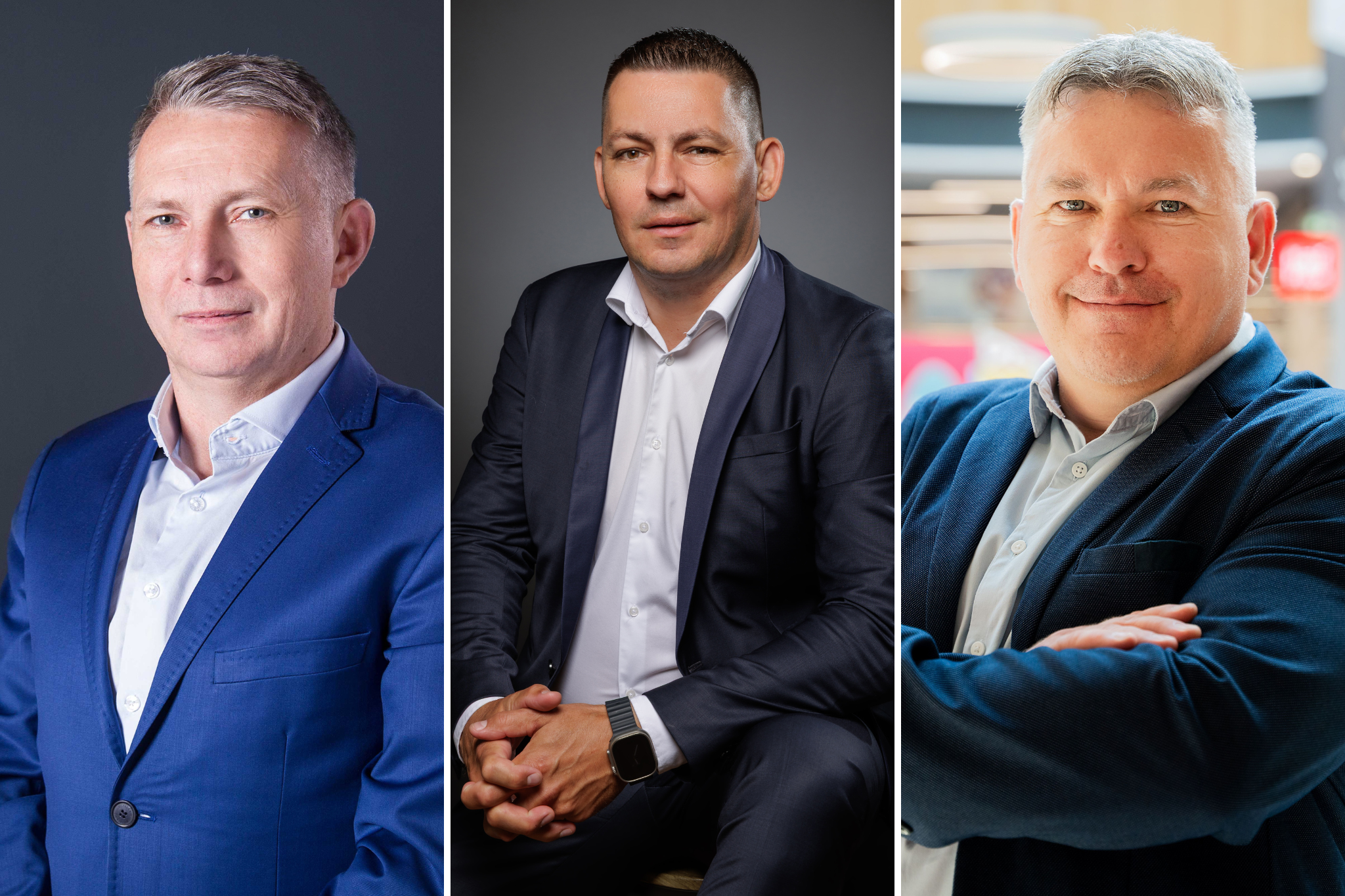
Paweł Rzepkowski, Technical Director of Gemini Park Bielsko-Biała, Tomasz Markuszewski, Technical Director of Gemini Park Tarnów, and Mariusz Czechowski, Technical Director of Gemini Park Tychy, discuss how the management of modern shopping centres is changing.
Is a shopping centre’s technical director today more of an engineer, a cost manager, an ESG specialist or a new technology expert?
Tomasz Markuszewski: A decade or so ago, we spent much more time on day-to-day building maintenance and organising the work of security and cleaning teams. Today, those processes are well established, and our role has changed considerably.
The biggest challenge has become managing the building’s energy efficiency and planning its long-term development. A technical director now needs an in-depth understanding of the property: how it operates, how it uses energy, which systems need upgrading and which investments will genuinely deliver results in five or ten years’ time.
ESG and decarbonisation issues are becoming increasingly important. Our task is not only to reduce operating costs but also to find technologically advanced solutions that reduce the building’s carbon footprint, from the share of green energy in its energy mix to the technologies we choose and the materials used in refurbishment.
This also means taking an active role in planning capital expenditure (CAPEX). Modern technologies often require greater investment upfront, so the technical director’s role is to prepare robust analyses and show the owner or investor that, over the longer term, these solutions translate into both lower operating costs and a higher property value. Today, we increasingly base technical decisions on data and analyses covering several years, rather than intuition.
We therefore need to think like engineers, plan like cost managers, take ESG goals into account and understand new technologies, while also working with other departments and listening to their goals and needs.
What are the biggest challenges facing shopping centres’ technical departments today?
Paweł Rzepkowski: One of the biggest challenges is the pace of technological development. The market is changing very quickly, with new solutions emerging in energy efficiency, renewable energy and smart building management. Our task, however, is not to implement every innovation, but to select the technologies that will genuinely benefit a particular property and suit its individual history and characteristics.
Mariusz Czechowski: Finding the balance between modernisation and economic viability is equally important. Every investment needs a business case. Technologies that support decarbonisation or reduce energy consumption are much needed, but they often involve substantial financial outlays and payback periods of many years. On top of that, regulations are changing, including those concerning refrigerants. Technical management today is therefore primarily about planning well in advance.
Which data are most valuable to the technical department today, and how do you use them in practice?
Mariusz Czechowski: Data on electricity, heat and water consumption are the most valuable to us. But we are not looking at individual readings; we need analyses spanning several years that show how the building behaves and where we can further improve its efficiency.
Gemini Park Tychy, the newest of the Gemini Park shopping centres, is a good example. The property was equipped with modern systems and energy-saving solutions from the outset, but even the best-designed building needs many months of optimisation after opening. We analyse how the air handling units operate, how the building behaves in summer and winter, how it responds to changing visitor numbers and how the building management system (BMS) should be configured. It is a process of continually fine-tuning operating parameters, which allows us to achieve very high energy efficiency without compromising customer comfort.
Data on tenants’ utility consumption are also a tremendous help. If we see a sudden increase in water use, it may indicate a fault in the plumbing system. A marked drop in electricity consumption, on the other hand, often signals that ventilation or air conditioning has been switched off in a unit. The data allow us to identify the source of the problem very quickly and respond before it affects the operation of the entire property.
If decisions are based on data, how do you plan technical investments over several years?
Paweł Rzepkowski: The starting point is always an analysis of historical data. We look not only at the past year, but at how equipment has performed over the last several years. This allows us to assess the rate of wear, forecast future operating costs and plan upgrades sufficiently far in advance.
This is also how we develop investment budgets. We analyse not only the purchase cost of new equipment, but also its impact on energy consumption, maintenance costs and the expected payback period. This is particularly important for older properties.
Gemini Park Bielsko-Biała is the oldest shopping centre in Gemini Holding’s portfolio, so successive upgrades are a natural part of its development. In the near future, we plan a comprehensive upgrade of the BMS, among other projects. This will fully automate many processes, enabling even better management of utilities and energy efficiency.
At the same time, we are carrying out a programme to replace key safety systems, including the voice alarm system (DSO). These are investments that customers do not see in their everyday visits, but they are fundamental to the property’s safety and reliable operation for years to come.
You mentioned BMS systems. We are also hearing more and more about artificial intelligence. Is AI really beginning to play a practical role in building management?
Tomasz Markuszewski: Definitely, although it is worth emphasising that artificial intelligence will not replace BMS systems. Rather, it will represent the next stage in their development.
A BMS already analyses data from dozens of sensors throughout the building and controls ventilation, air conditioning, heating and lighting. AI can take this a step further. By analysing vast historical datasets, it will be able to predict the building’s behaviour, respond in advance to changes in the weather, visitor numbers or heating and cooling demand, and then independently select the optimal operating parameters for the systems.
At Gemini Park Tarnów, we have been developing our BMS for many years and already have a highly advanced building management environment. The natural next step will be to use artificial intelligence algorithms to further optimise its operation. I am convinced that, within the next few years, AI will become an integral part of building management systems. Shopping centres that are preparing for this change today will gain a clear advantage in energy efficiency and user comfort.
Technological development also brings new threats. Is cybersecurity becoming just as important as the physical security of a property?
Mariusz Czechowski: Absolutely. Just a few years ago, most technical systems operated on closed networks. Today, more and more building systems use networked solutions, remote access or cloud services. This makes day-to-day building management much easier, but it also brings new challenges.
A cyberattack can affect not only access to data but also the operation of systems responsible for ventilation, air conditioning and building automation. Digital security is therefore becoming one of the pillars of modern property management.
Tomasz Markuszewski: In practice, this means very close collaboration between technical departments and IT teams. We are responsible for keeping all building systems operational, while IT specialists ensure that the infrastructure and access to systems are properly secured. The more we develop smart solutions and prepare to use artificial intelligence, the more important cybersecurity becomes.
Environmental certifications are also playing an increasingly important role in property management. What does BREEAM mean for the day-to-day operation of a shopping centre?
Tomasz Markuszewski: Certification does not change how we manage the building. It is more a confirmation that we do so effectively every day. The audit examines, among other things, how we manage electricity, water, heating and cooling, and assesses the operation of technical systems, utility monitoring and procedures relating to the property’s operation. The value of certification is that it allows us to look at the building much more broadly than simply through its technical systems. It also assesses organisational matters, safety, user comfort and the management of the property as a whole.
All Gemini Park shopping centres have BREEAM certification, confirming that our work on energy efficiency and property management meets the highest industry standards.
A modern shopping centre involves not only technology but also daily cooperation with tenants. What does that look like from the technical department’s perspective?
Paweł Rzepkowski: Partnership and open communication are the foundation. The technical department should support tenants, rather than simply be the team they contact to report faults. We are all working towards the same goal: keeping the centre running smoothly and ensuring that customers feel comfortable.
Cooperation is easiest with tenants who have been with us for many years. We know each other’s expectations well and have developed shared operating standards. Collaboration with security teams, technical service providers and cleaning companies is equally important. Good coordination between all these teams keeps the whole property running efficiently.
Mariusz Czechowski: In Tychy, we have worked with the same team since the centre opened. Over the years, we have therefore developed a proven way of working together, and today many processes run very smoothly. That is a tremendous asset, particularly in a property that operates seven days a week and requires constant coordination across many areas.
Staff turnover among tenants presents more of a challenge. Every change means having to explain our working arrangements again and clarify how the technical systems serving the entire centre function.
Air conditioning and ventilation are a good example. The systems in individual units and those serving communal areas are closely interconnected and operate as a single whole. If a tenant changes settings independently or reduces the operation of its equipment, this affects not only comfort in its own premises but potentially the operation of the entire building. That is why we place so much emphasis on cooperation and on raising awareness that efficient management of the centre requires a collaborative approach from everyone who uses it.
Another major challenge is refurbishing stores while the shopping centre continues to operate normally. How do you organise this work?
Paweł Rzepkowski: This is certainly one of the most demanding parts of our work. A shopping centre cannot close while a unit is being refurbished. Customers are shopping, and stores, restaurants and the cinema are operating, so the project has to be carried out in a way that is virtually invisible to visitors.
Every refurbishment is therefore planned in detail. We carry out noisy work, such as drilling or breaking out walls and surfaces, only during strictly specified night-time hours. During the day, only work that does not disrupt the centre’s operation takes place. The schedule must account not only for contractors’ needs, but also for tenants’ opening hours and customer safety.
One such challenge in recent months was the creation of the IKEA store at Gemini Park Bielsko-Biała. The project required exceptionally precise coordination because the Gemini Park, IKEA and hypermarket teams, contractors, technical service providers, security team and cleaning company were all working at the same time. The schedule was planned almost to the minute: sometimes one crew would finish installing a wall, and just a few minutes later another would begin installing the next elements.
This required tremendous trust and excellent communication between everyone involved in the project. Thanks to that, we were able to significantly shorten the project delivery time, while the centre operated normally throughout the work and remained fully accessible to customers.
Given the pace of technological change, which solutions could become standard over the next few years?
Mariusz Czechowski: The market is developing so rapidly that it is very difficult to give a definitive answer. During my career, I have seen many technologies that were expected to revolutionise the industry, only for it to become clear a few years later that they had not met expectations. The reverse has also happened: solutions initially considered niche became standard.
I am convinced that artificial intelligence supporting building management, along with data analysis, will play an increasingly important role. At the same time, I believe it is sensible to take a measured approach to adopting new technologies. Sometimes it is better to wait until the market has tested their effectiveness, manufacturers have resolved the initial problems and implementation costs have become more reasonable.
Paweł Rzepkowski: In shopping centres, every technical investment involves substantial financial expenditure, so decisions must be preceded by thorough analysis. Being the first to implement a new solution is not always worthwhile. What matters much more is that the technology genuinely delivers value: reducing energy consumption, improving user comfort and making building management more efficient. That is the role of today’s technical director: not only to follow new trends, but above all to assess which of them will genuinely become standard in a few years’ time.
Interviewed by: Wojciech Wojnowski of Omnichannel News.
May interest you
Gemini Park Bielsko-Biała adds a new service. Castorama Design Studio is now open
Share
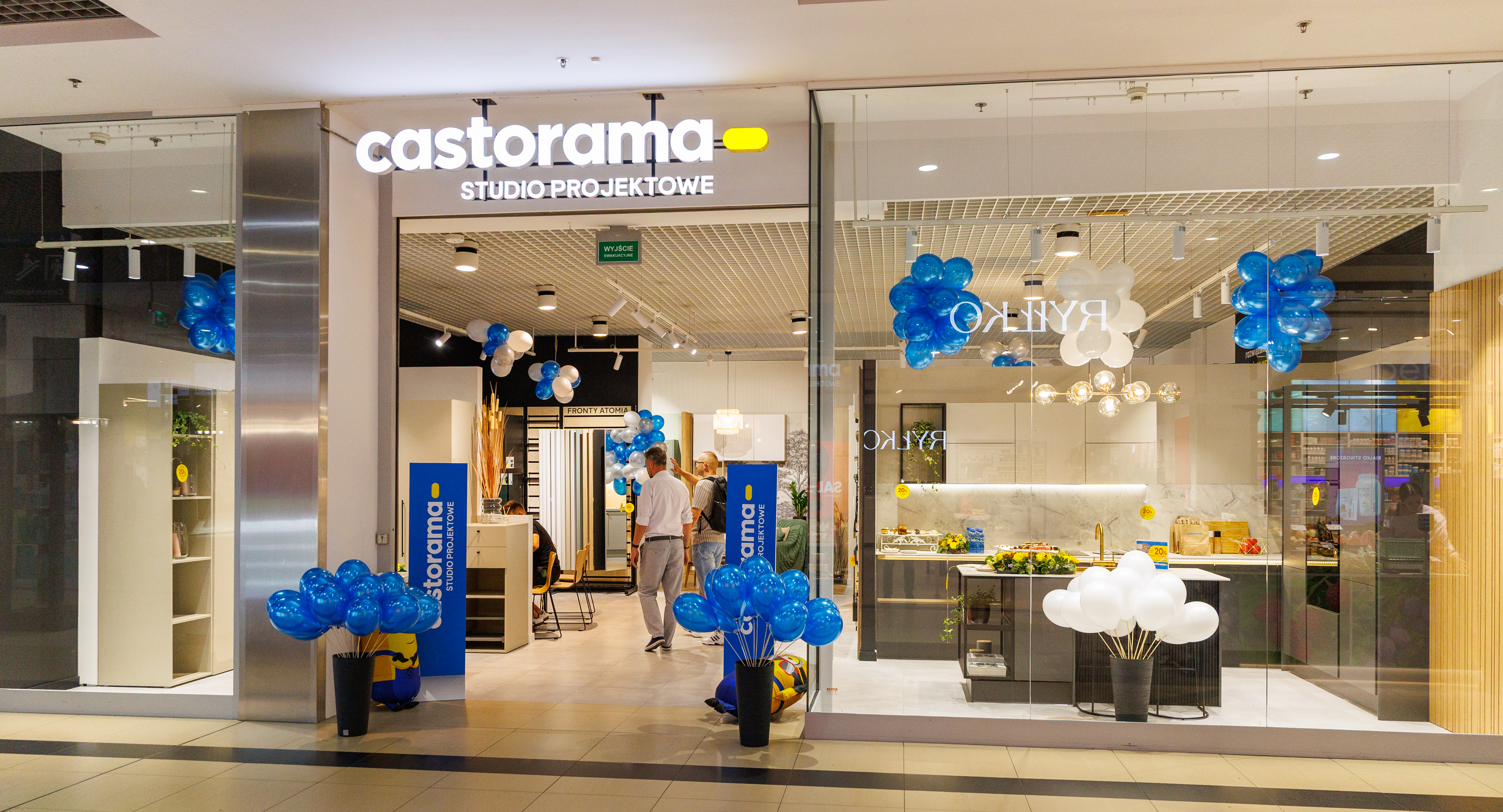
Gemini Park Bielsko-Biała has expanded its offering with the addition of a Castorama Design Studio. The new concept, which opened on 13 August, strengthens the centre’s growing services segment, providing customers with comprehensive support in planning and delivering interior design projects, from the initial idea to installation.
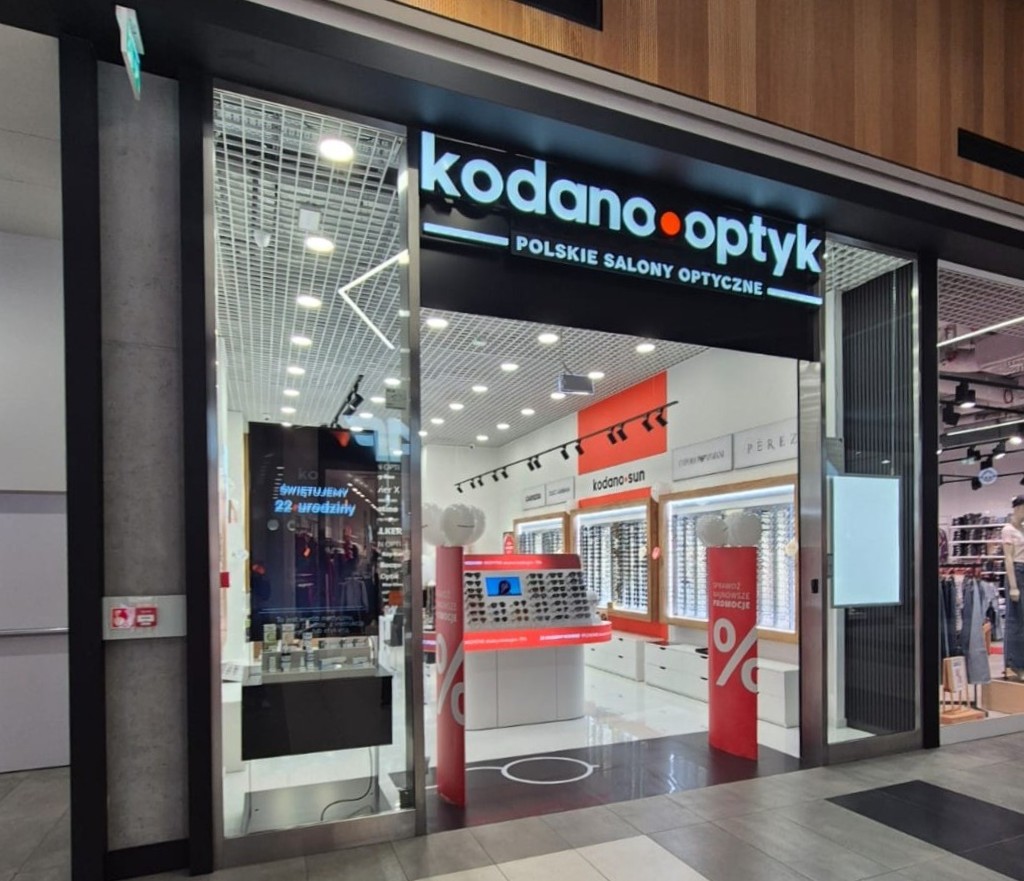
KODANO Optyk, one of Poland’s fastest-growing optical retail chains, has joined the tenant line-up at Gemini Park Tychy. The brand offers professional eye examinations, consultations with specialists and a wide selection of glasses and contact lenses. Its opening strengthens the health and beauty category, currently one of the fastest-growing segments of the shopping centre market.
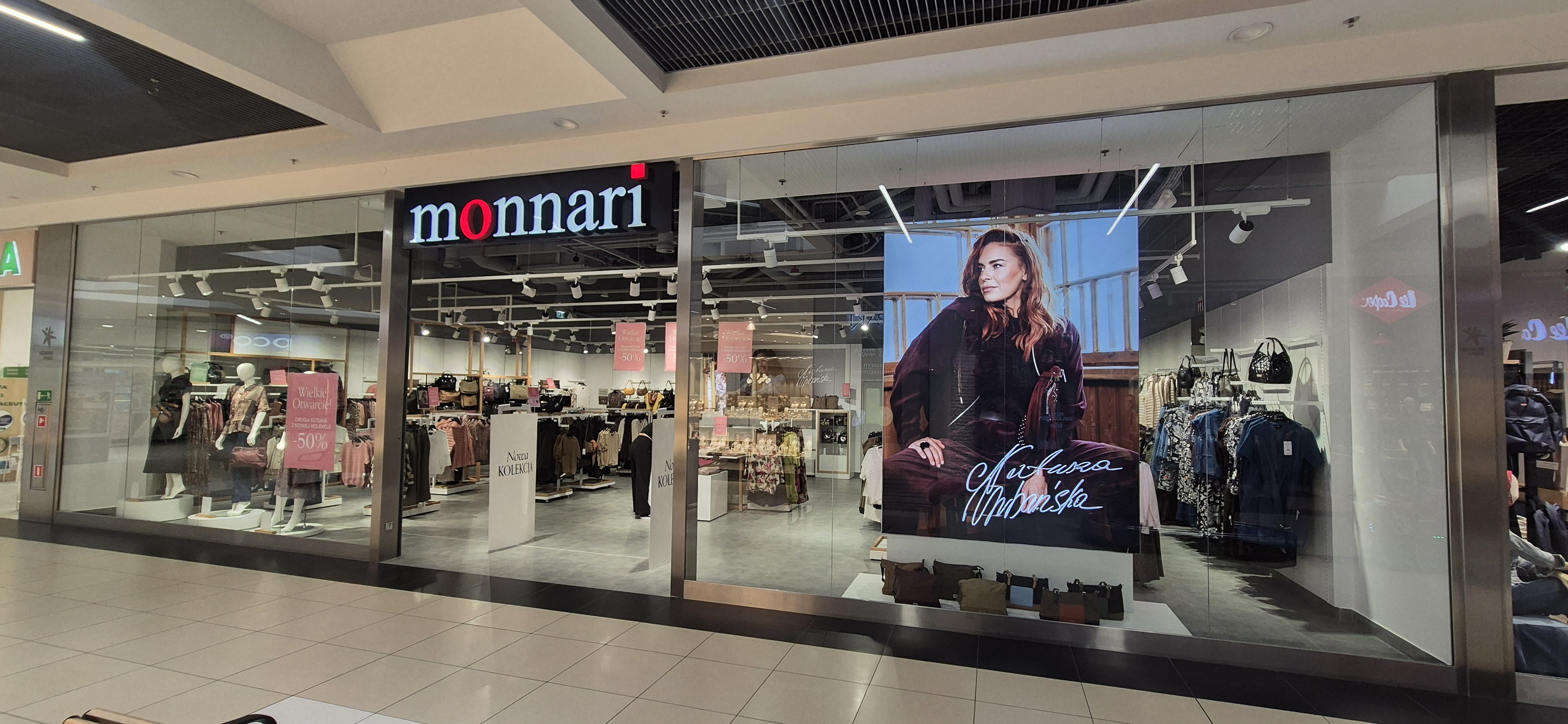
Monnari returns to Gemini Park Tarnów. The Polish brand’s new store is now open
Share
A Monnari store reopened at Gemini Park Tarnów on 20 August. The Polish brand’s return strengthens one of the centre’s key segments – fashion, which is recording sales growth above the market average here this year.