Polish consumer habits: conscious, omnichannel, and still rooted in shopping centers
Share
Polish consumers continue to favor shopping centers while increasingly embracing omnichannel shopping journeys. For the upcoming holidays, they plan larger budgets than last year, yet their spending remains more conscious and better planned. Anna Malcharek, Managing Director of Gemini Holding, discusses current consumer behaviors and their implications for the retail industry.
Share
According to this year’s Cushman & Wakefield report, “Generation 40+ in the Spotlight,” shopping centers are the third most frequented retail format visited by Poles at least once a week, following small local convenience stores and standalone grocery stores. While large-scale grocery shopping is typically handled at standalone supermarkets, shopping centers remain the leader for apparel and accessory purchases among all consumers under the age of 50.
“According to our latest data from January to November, the fashion and accessories segment across all Gemini Park centers recorded year-on-year (YoY) growth in turnover per square meter. In categories such as clothing, footwear, lingerie, jewelry, and accessories, the ability to physically interact with the product remains paramount. Customers want to verify quality, touch the fabric, try items on, and compare options to make an immediate purchase – an advantage e-commerce cannot replicate. The shopping experience, the ambiance, professional advice, and instant availability remain the key strengths of shopping centers,” notes Anna Malcharek.
Omnichannel as a Standard, Especially for the Youth
In parallel, the importance of multi-channel shopping is growing as Poles seamlessly blend online and offline experiences. The “E-commerce in Poland 2025” report reveals that 41% of consumers choose online shopping specifically to avoid queues. However, these same customers view shopping centers as natural points for order pickups or returns.
This trend is most prominent among younger consumers. The Cushman & Wakefield study shows that 50% of Gen Z representatives regularly use click-and-collect services in shopping centers. In the 40–49 age group, this figure stands at 32%, and among those over 50, it is 25%.
“Today’s customer does not think in terms of ‘online vs. offline’ – they value the fluidity and convenience of the entire process. They move freely between channels, comparing offers online, testing products in physical stores, and increasingly choosing in-person pickup. Consequently, the role of stores and shopping centers now extends far beyond sales; they serve as local logistical hubs for e-commerce and a vital part of the entire shopping ecosystem,” says Anna Malcharek.
Holiday Shopping: Larger Budgets, Smarter Choices
According to the “Holiday Wallet of Poles 2025” report by the Polish Bank Association and Minds & Roses, the average holiday budget will be 13% higher than last year. However, this does not indicate impulsive spending. On the contrary, shopping has become “task-oriented” and carefully planned.
Data shows that 29% of Poles began their holiday shopping as early as November to spread out costs and avoid last-minute pressure. Furthermore, a typical visit to a shopping center now lasts between one and two hours, with customers visiting between two and five stores, regardless of age, signaling a more purposeful approach to shopping.
“For the retail industry, the key is no longer just how much time a customer spends in the center, but the value they derive from that visit. This is why in-depth local customer analysis and tailoring the offer to real needs – moving away from a ‘one-size-fits-all’ strategy to a bespoke approach – is crucial,” concludes Anna Malcharek.
She adds: “The overall experience of the visit remains vital. Access to services, dining, and entertainment allows customers to settle multiple matters in one trip. This is confirmed by both PRCH indices and our own data: from January to November, the service sector saw significant growth in all our centers – reaching as high as 14.5% in Gemini Park Tarnów. The F&B segment grew by approximately 6% in each of our centers, while entertainment saw surges of up to 18%, highlighting the deepening trend of multi-functionality in retail assets.”
May interest you
Poland’s largest Martes Sport store opens at Gemini Park Tychy
Share
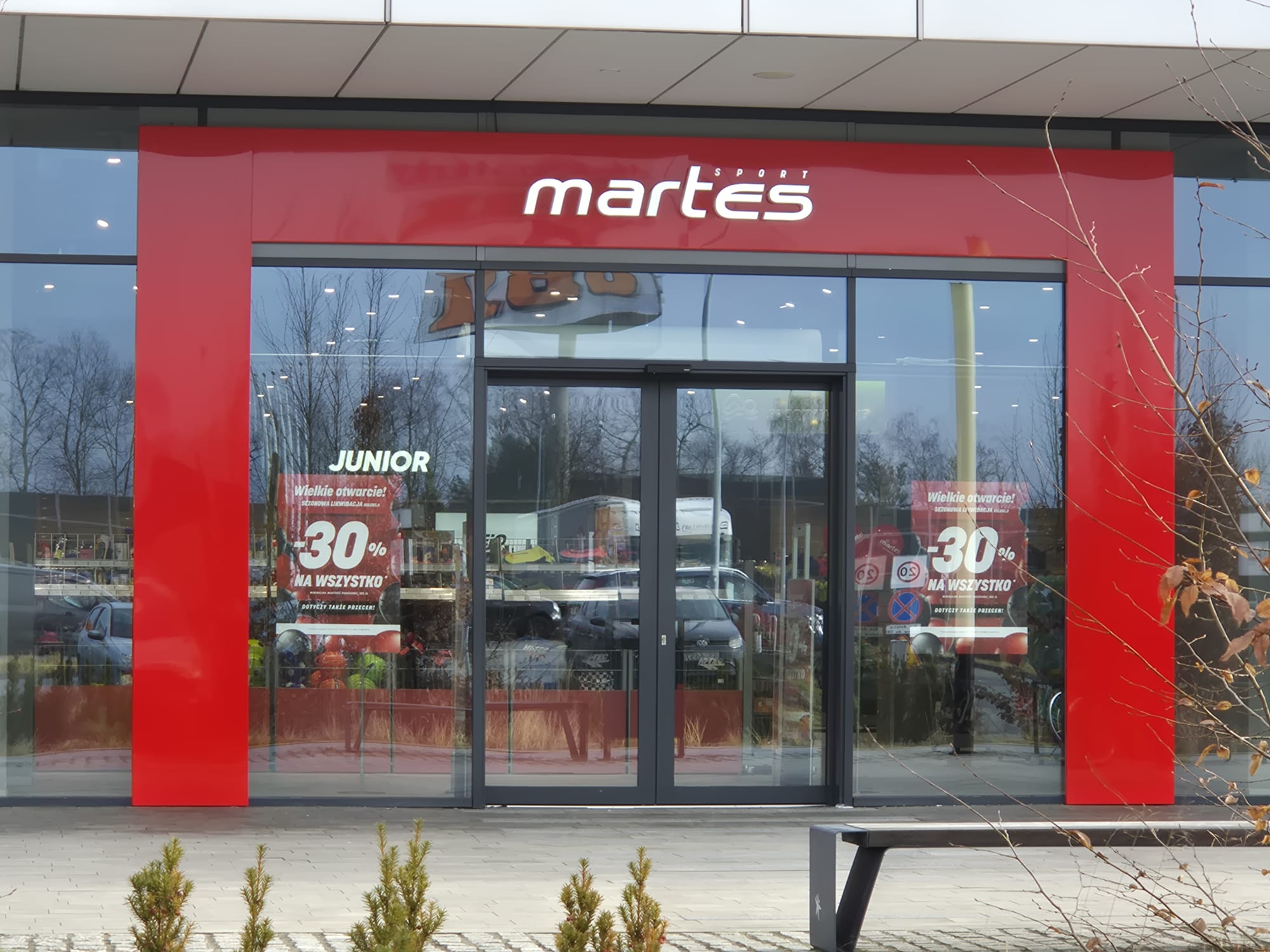
A cutting-edge retail concept, nearly triple the previous floor space, and a dedicated external entrance – this is the new face of Martes Sport at Gemini Park Tychy. This location is not only the brand’s sole outlet in the city but has now become the largest Martes Sport store in all of Poland.
A new era for Media Markt at Gemini Park Tarnów: more technology and exceptional retail experiences
Share
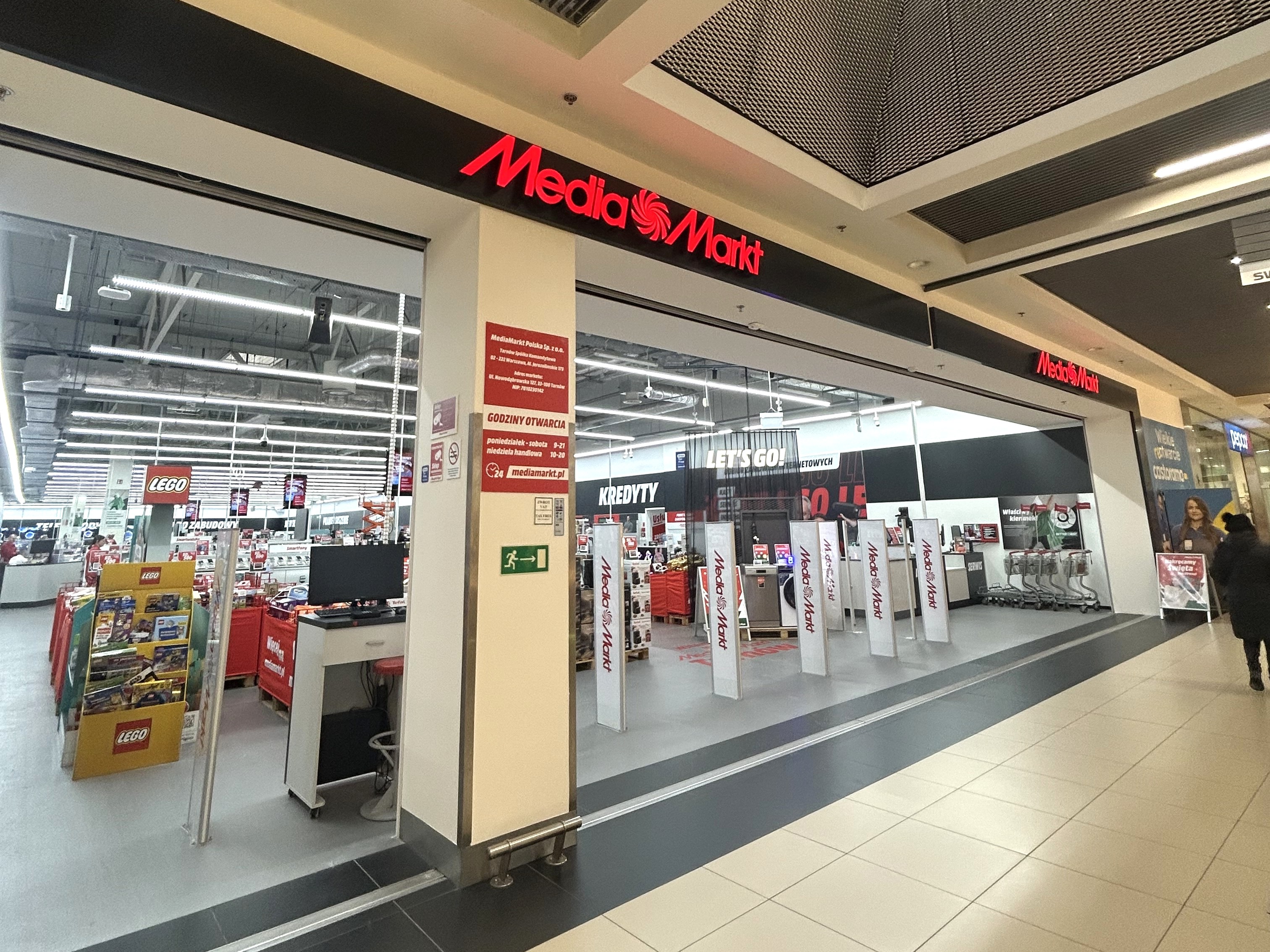
Gemini Park Tarnów is introducing a new standard in electronics retail. The modernized Media Markt store, designed according to the chain’s latest global concept, offers intuitive navigation, immersive zones, and “hands-on” product testing. This refreshed format addresses the evolving needs of consumers who are increasingly making conscious and well-researched purchasing decisions.
Gemini Park Tarnów enters the game: shopping center becomes a key landmark on the city map
Share
Gemini Park Tarnów has secured its spot on the board of the city edition of the iconic game Monopoly. This serves as a symbolic culmination of the center’s strategy and its close relationship with the residents of Tarnów. The local version of the game, which premiered on December 6th, showcases the most characteristic landmarks and the rich history of the city.